
About European Digital Deal project
European Digital Deal — made possible by Creative Europe — is an investigation into how the accelerated, but at times unconsidered, adoption of new technologies affects democracy. Since January 2023, Ars Electronica has successfully coordinated the European Digital Deal consortium, uniting 13 high-level cultural organizations from across Europe. Now, after three years, the project is coming to an end — marked by significant achievements.
12 artist residencies, and more than 90 exhibitions, conference programs, workshops, and events have been realized across 12 countries. To celebrate these accomplishments, the consortium partners have released two key outputs documenting the project’s work: the book Culture Codes Democracy as well as an online, interactive Digital Futures Action Plan.
The numerous activities of the project – which included contributions by artists and speakers such as Paula Gaetano Adi, Kate Crawford, Trevor Paglen, Marco Barotti, Anil Seth, Tamiko Thiel, Hito Steyerl, and Paul Trillo – provided the basis for the conceptual development of the outcomes.
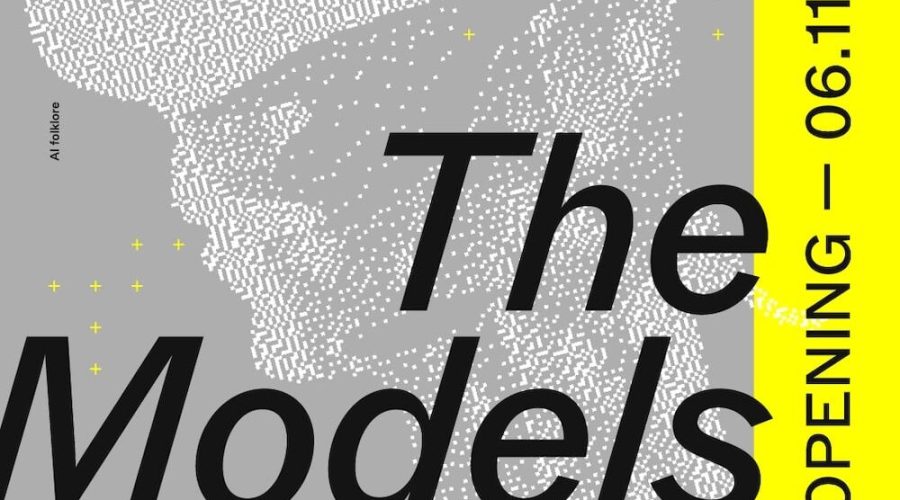
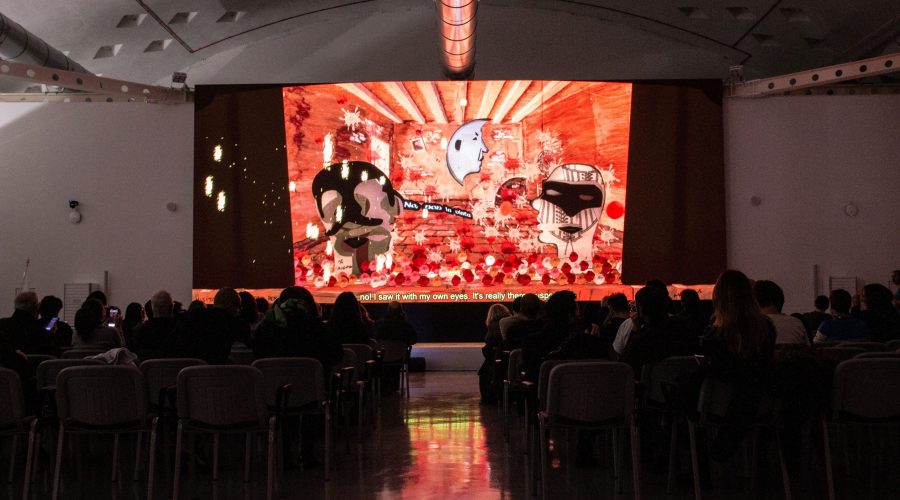
Over the three-year period, Sineglossa developed the artistic production The Models by the duo dmstfctn, organizing talks and exhibitions to present the installation and raise awareness about the role of artificial intelligence in the spread of fake news and conspiracy theories. In parallel, Sineglossa promoted educational workshops for artists focused on the use of AI in generating screenplays and scripts.
Previous news
Book Launch: Culture Codes Democracy
Published by Hatje Cantz, Culture Codes Democracy draws on the experience and lessons from European Digital Deal. It advocates for the role of artistic and cultural critique in reimagining how society creates new technologies and is shaped by them.
By documenting and presenting the contributions the cultural sector has already made towards more considerate approaches to technological innovation, Culture Codes Democracy outlines a vision of how the sector can become a key actor shaping Europe’s path towards digital sovereignty.
The publication can be accessed online as of now and will be available in print on the Hatje Cantz website starting in January 2026.
Interactive Guide: The Digital Futures Action Plan
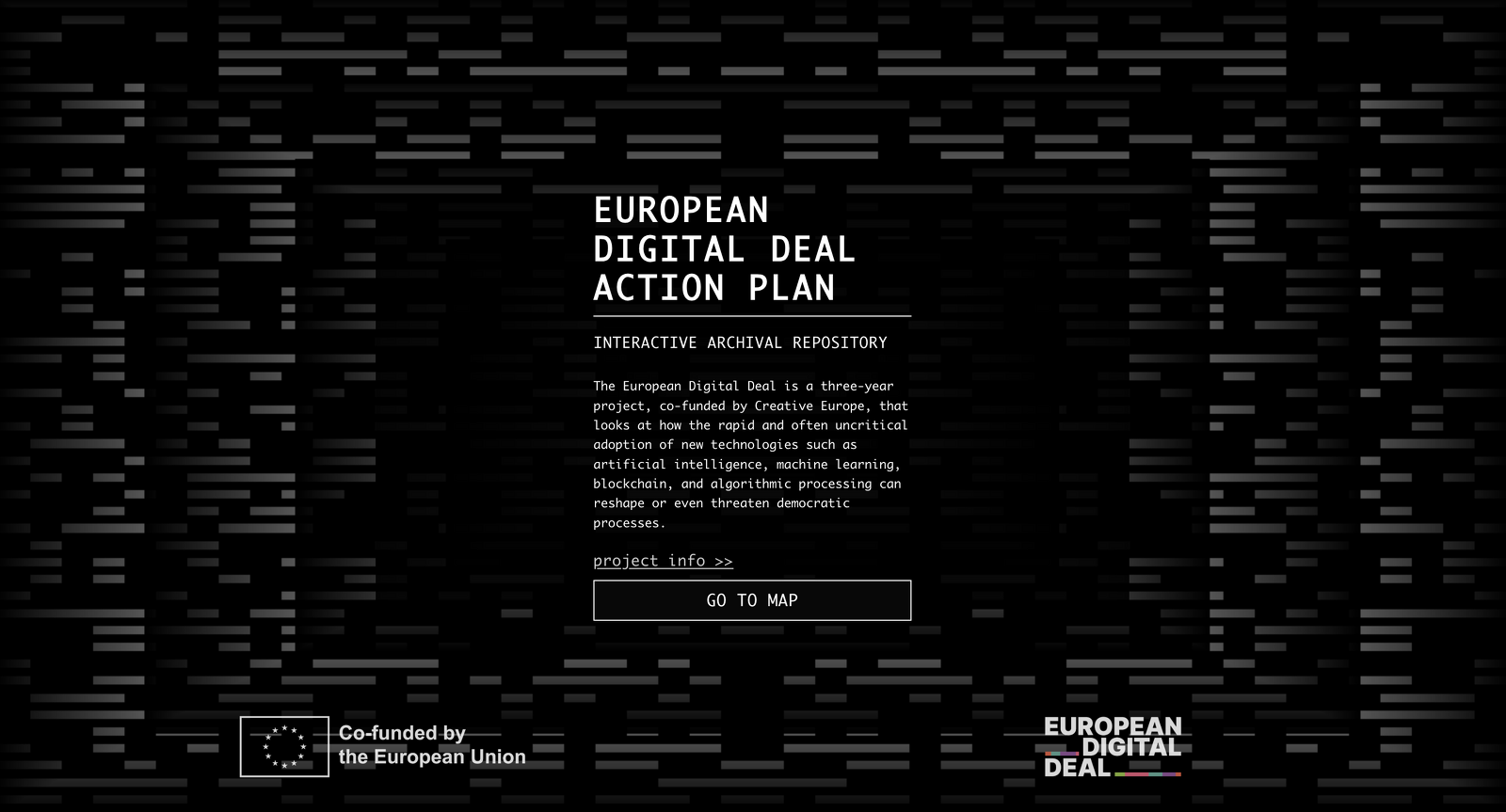
The Digital Futures Action Plan is an interactive guide and archival repository designed to translate the project’s insights and conclusions into policy areas that can shape Europe’s digital future.
Through the interactive interface, policymakers and interested users can explore five areas: education and awareness; regulation and legislation; participation and democracy; digital sovereignty; transparency, explainability and contestability; inclusiveness and pluralism; and digital human rights. Defined as challenges, these areas can be explored and analyzed through hundreds of project outcomes — from artworks and exhibitions to conference programs, workshops, and podcasts presented in audio, video, and text formats.
More Insights: The Digital Deal Podcast
Another long-lasting outcome of the project is The Digital Deal Podcast. It featured artists in conversation with cultural critics, theorists, and AI experts to discuss how new technologies reshape our democracies. Produced by Ars Electronica, the Digital Deal Podcast ran for 12 episodes and was relaunched in June 2025 as Art Is Not a Thing, becoming Ars Electronica’s year-round podcast.
A three-year (January 2023 to December 2025) investigation into how the accelerated, but at times unconsidered, adoption of new technologies affects democratic processes, European Digital Deal is run by a consortium coordinated by Ars Electronica (AT) and made up of the Center for the Promotion of Science (RS), Culture Yard (DK), Gluon (BE), Teatro Circo de Braga (PT), iMAL (BE), Kersnikova (SI), LABoral (ES), Onassis Stegi (GR), Pro Progressione (HU), Sineglossa (IT), Waag Futurelab (NL) and Zaragoza City of Knowledge Foundation (ES). European Digital Deal has been co-funded by the European Union’s Creative Europe programme under grant agreement No 101100036. Views and opinions expressed in this document are those of the author(s) only and do not necessarily reflect those of the European Union or the European Education and Culture Executive Agency (EACEA). Neither the European Union nor the European Education and Culture Executive Agency (EACEA) can be held responsible for them.